
The ready-to-teach Cyber Safety Game
No lesson planning. No tech setup. And built to show you exactly where students need support.
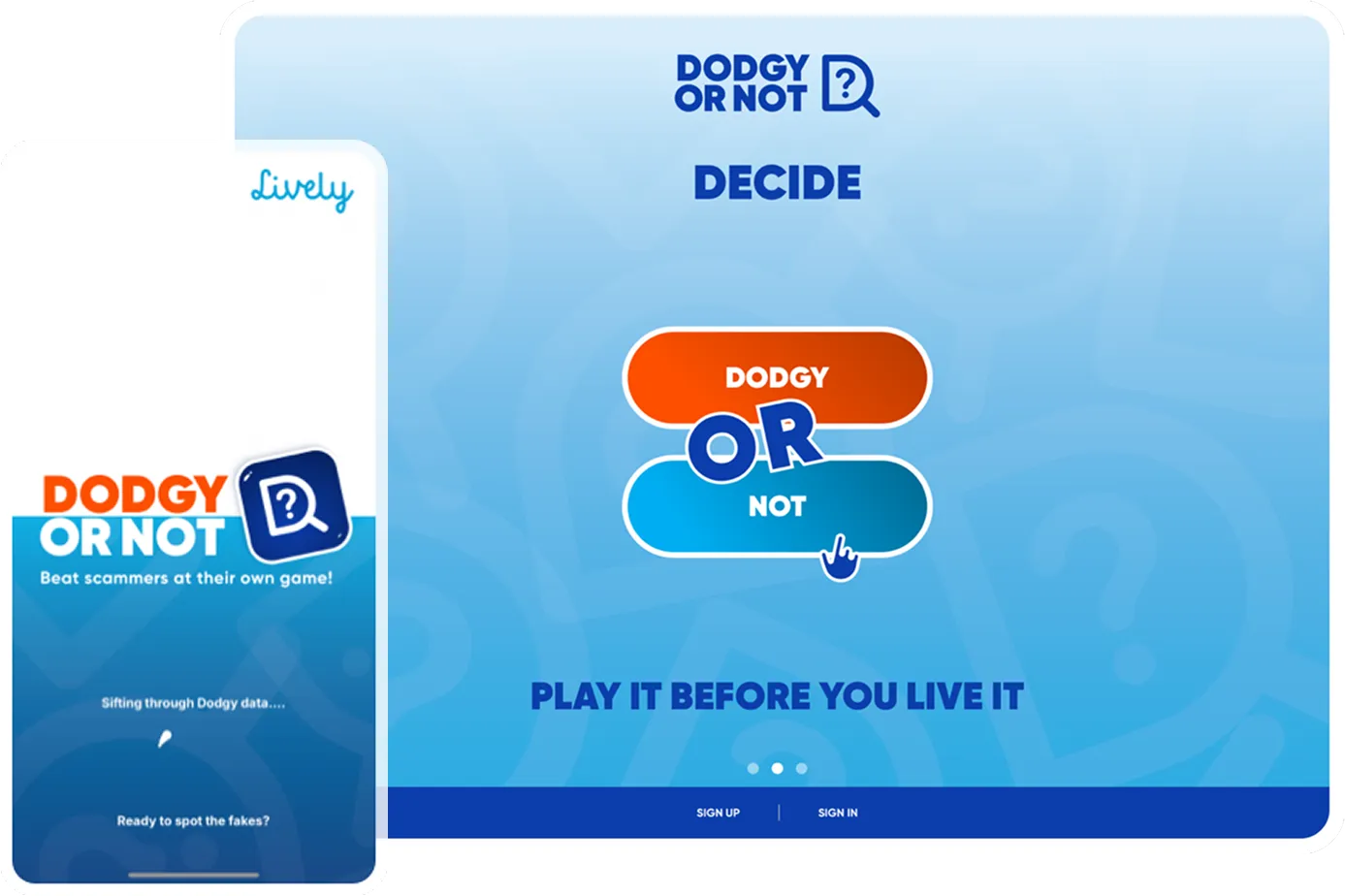










Cyber safety is a subject that changes faster than the resources do. The threats students face today weren't in last year's lesson plan.
You can't teach a gap you can't see.
See the gap and teach directly to it.
Real scenarios from the world students actually navigate. The game reveals what a lesson can't. Your teacher dashboard shows you exactly where to teach next.
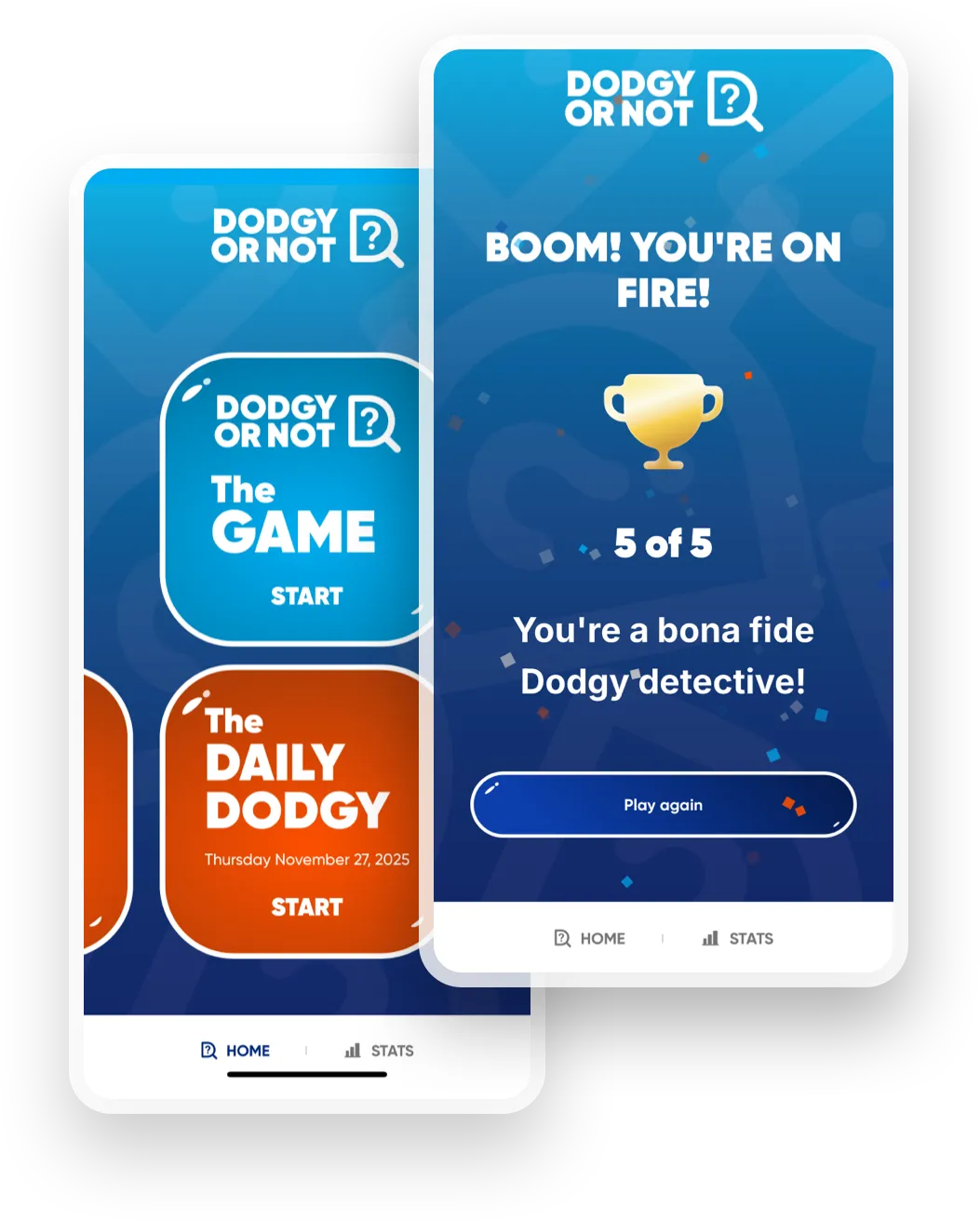
Created with science. Loved by students. Trusted by teachers
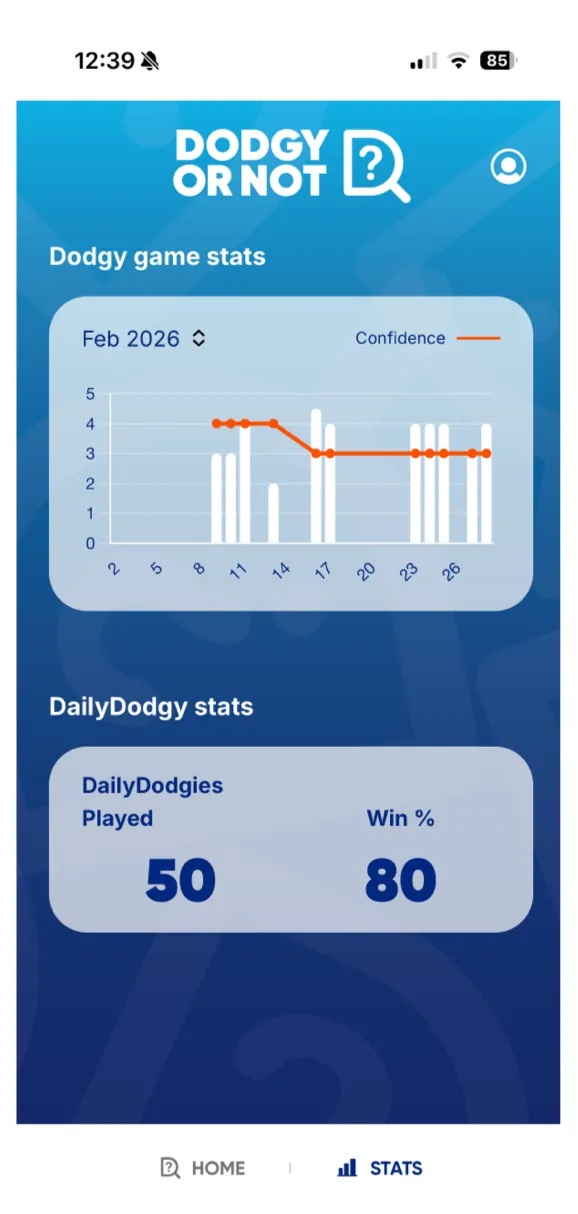
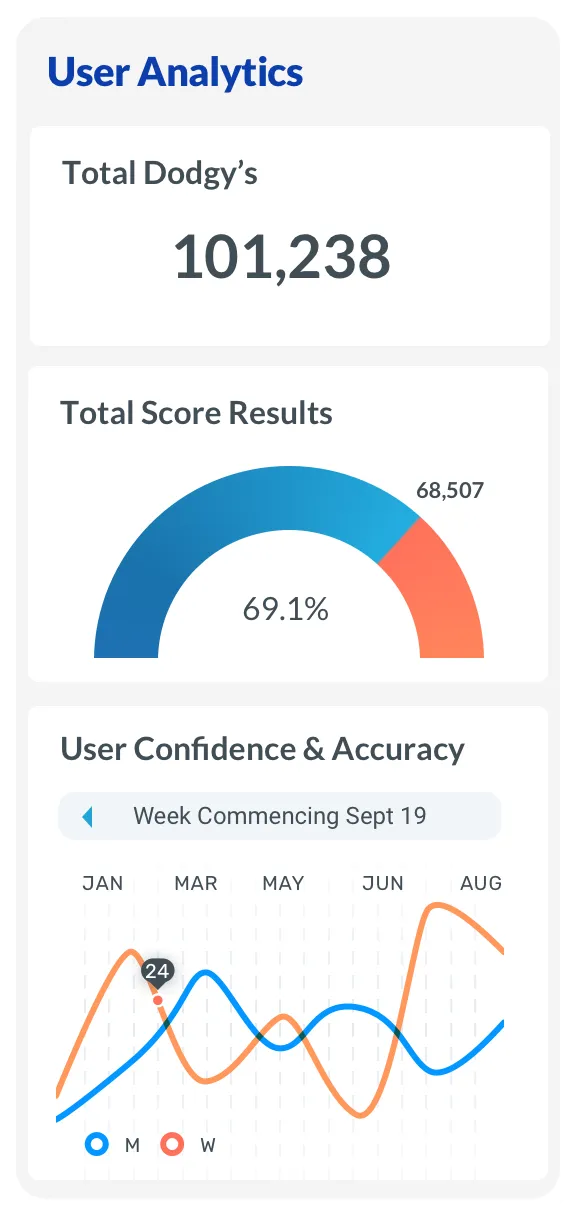
Real classroom data. Dodgies they keep catching, and teachers who keep recommending it.
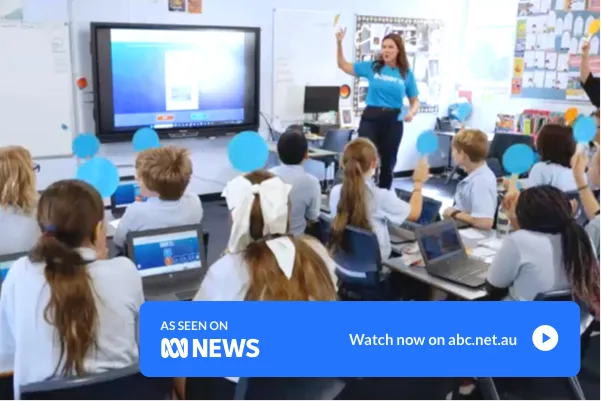
"The game, called Dodgy or Not?, is updated in real time as scammers find new ways to trick or blackmail victims into parting with their money.”
ABC News
How to bring The Cyber Safety Game into your school, college or university
No student emails. No IT setup. Just pick the licence that fits your institution and start.
- Full Dodgy or Not? game, age-banded
- Student logins, no student emails required
- Teacher logins included
- Weekly teacher reports
- Helpdesk support, Mon to Fri, 9am to 5pm AEST
- Onboarding and professional learning included
- Full Dodgy or Not? game, age banded
- Student logins, no student emails required
- Faculty logins included
- Weekly faculty reports
- Helpdesk support, Mon to Fri, 9am to 5pm AEST
- Onboarding and professional learning included
- Full Dodgy or Not? game, age-banded
- Student logins, no student emails required
- Teacher logins included
- Custom scam scenarios
- Custom admin dashboard
- Helpdesk support, Mon to Fri, 9am to 5pm AEST
- Onboarding and professional learning included
Behaviour, belief, and the gap between them
Dodgy or Not? is an assessment-for-learning tool. It generates real-time formative data you can use to shape your explicit teaching and your wellbeing planning. Behaviour is measured in the scenarios students play.
Students who present as digitally capable still miss the signs of unwanted contact, scams, and misinformation. The game shows you which signs, which students, and where to act.
99% of students play after school. Without being asked. Some spot the family scam before their parents do.
The instinct goes home
Back your teachers with a support squad
Everything teachers need to run Dodgy or Not? is ready to go. Facilitator guides and letters for parents and carers — prepared and waiting.
We work with school leaders, wellbeing staff, and classroom teachers so no one is set up to figure it out alone. Confident teachers, supported students, no extra admin.

We believe it’s time to create a world where everyone is equipped with the digital literacy and, crucially, the critical thinking skills needed to discern what's legitimate from what's dodgy.
Frequently asked questions
The signs are 27 behavioural signals that appear across all forms of online manipulation - from scams and phishing to unwanted contact. Instead of memorising rules, students learn to name and recognise the patterns. It's the critical thinking skill that transfers to any new scenario, on any platform, long after they've left your classroom.
The Daily Dodgy takes around a minute - one fresh scenario, played independently. Or stretch it into a full lesson with guided discussion. It's built ready-to-teach, no preparation needed.
With Student-led licences, we send you weekly reports showing accuracy by scenario type and confidence trends across your class. You can see exactly where students are strong and where they're struggling - so you can target your next lesson where it's actually needed.
Teacher-led is run on a shared screen - no student accounts needed, any year level. Student-led gives each student a class login for independent play. Either way, the game works as a whole-class discussion or played individually - it supports both.
Any device with a browser - laptop, Chromebook, tablet, or phone. No app needed.
Primary alignment is NSW PDHPE Stages 2 to 6 (Years 3 to 12), including both the current 2018 and incoming 2024 syllabuses. It also supports ACARA's Digital Literacy and Critical and Creative Thinking capabilities, and the eSafety Commissioner's Best Practice Framework.
Yes. Get in touch and we'll send you the outcome mapping for your year levels and stages.
No. Student-led uses a class login - no student email addresses collected. Teacher-led has no student accounts at all.
Gameplay data only: scenario responses, confidence ratings, and class-level results. No names, email addresses, dates of birth, or personal identifiers. All data is hosted in Australia and visible to teachers only - we don't share it with third parties.
Yes. The platform is built to comply with the Australian Privacy Act. No student data is held offshore.
We provide support material and recommend schools follow their existing duty-of-care processes.
Hear from our clients
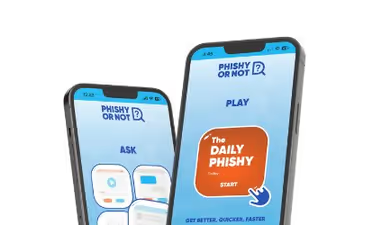
"Phishy or Not? transformed our approach to cyber safety training... it's a cultural shift in how we approach online security.”

"Dodgy or Not? proved to be a highly effective tool in strengthening the human firewall against cyber threats. Interestingly it was the language that resonated and created a safe way to talk about scams, almost instantly becoming part of the everyday vernacular.”

"Dodgy or Not? was a no-brainer for us. Cost-effective cyber training that doesn't put you to sleep? Sign us up! Our members are buzzing about it - the music is proving to be a real memory trigger.”

"The aunties were really so happy with today; they loved playing the game. They had been feeling anxious about technology worrying that everything is a scam (!). So today really settled them and they left feeling really good and keen to play more!


Latest News
Book a twenty-minute walkthrough. We will show you the game, answer your procurement questions, and help you choose the right licence for your school.